
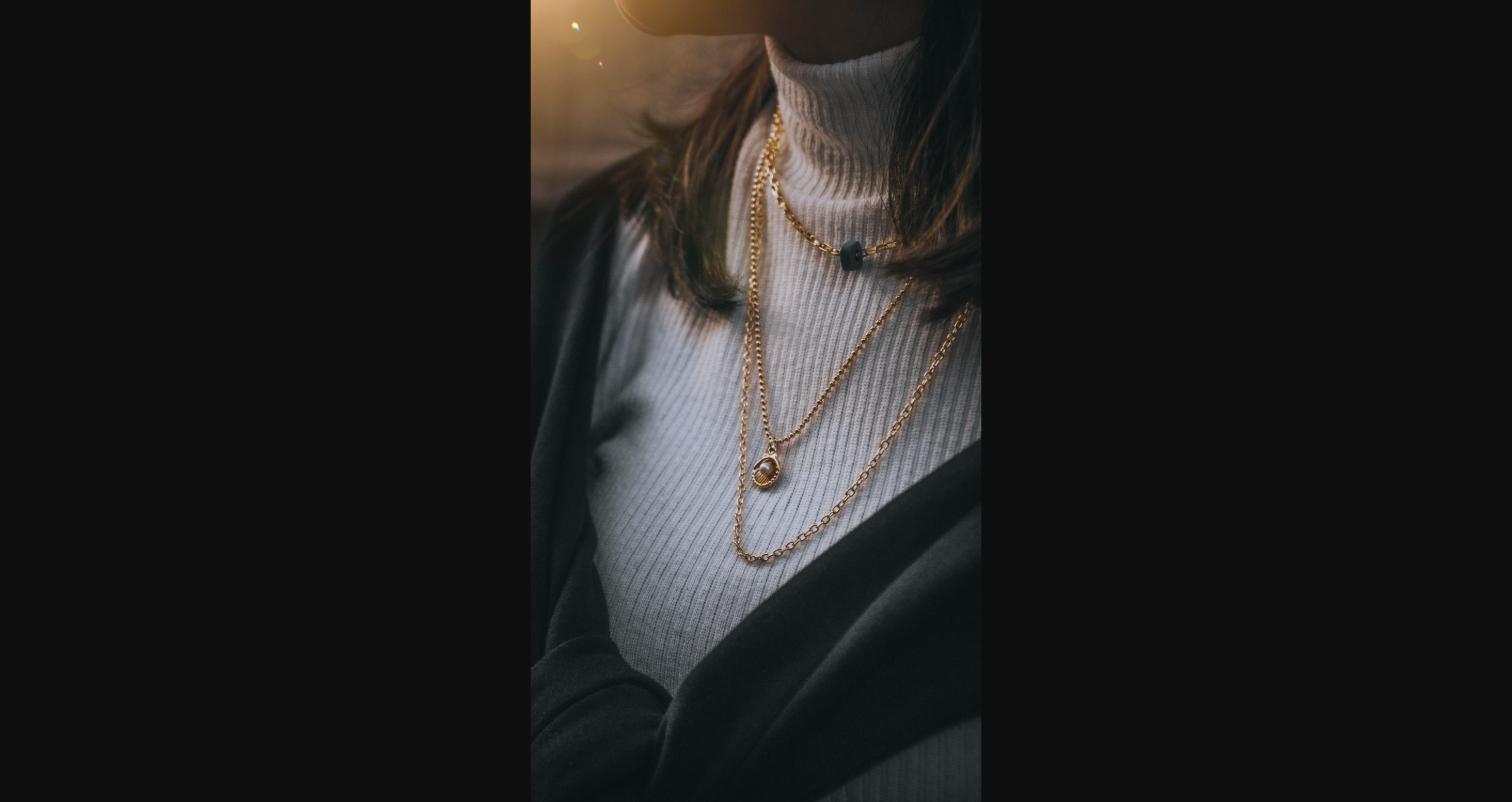
We have all experienced the daily frustration of looking into a crowded closet and feeling like we have absolutely nothing to wear. In response to this modern decision fatigue, the minimalist fashion movement introduced us to the concept of the capsule wardrobe—encouraging us to invest in high-quality, simple basics like a crisp white t-shirt, a perfectly tailored pair of denim jeans, or a sleek black slip dress. While this approach solves the problem of wardrobe clutter, it often introduces a new sartorial dilemma: simplicity can easily cross the line into boredom. When you step out of the door in just a plain tee and trousers, the outfit can feel unfinished, functional, and entirely lacking in visual intent. It looks like you got dressed out of necessity rather than design.
To bridge the gap between basic containment and editorial sophistication, the global style elite rely on a brilliant structural blueprint to elevate a simple outfit: the “Three-Piece Rule.”
When amateur fashion blogs attempt to explain how to dress up a look, their advice is often loud and chaotic. They will tell you to pile on aggressive, colorful statement jewelry, throw a neon scarf over your shoulders, or wear towering, uncomfortable heels. This reactionary approach completely misses the architectural elegance of modern styling.
An authentic, elevated outfit does not rely on flashy gimmicks to demand attention; it achieves impact through deliberate visual balance and depth. The Three-Piece Rule dictates that a truly finished, high-aesthetic outfit requires three distinct components: your base top (piece one), your base bottom (piece two), and a dedicated finishing layer (piece three) that ties the entire visual narrative together. Here is your definitive masterclass in utilizing this structural styling framework.

🧥 1. The Tailored Completer: Structured Blazers and Architectural Coats
The most definitive way to execute the Three-Piece Rule is by introducing a structural, tailored outerwear layer as your third piece. This is the ultimate tool for adding instant gravitas to a casual outfit because it alters your physical silhouette, introducing crisp, clean lines that command authority.
When styling a base as simple as a white ribbed tank top and relaxed-fit vintage denim, a flimsy, unstructured cardigan will only make the look feel sloppy. Instead, introduce a heavy, oversized wool-blend blazer with subtle shoulder padding in a rich neutral tone—such as an earthy taupe, deep espresso, or a classic midnight navy. The structured shoulders of the blazer contrast beautifully with the casual nature of the denim, instantly pulling the look into the realm of high-end editorial style. In warmer months, swap the heavy blazer for a fluid, lightweight trench coat or a sleeveless tailored vest crafted from crisp linen. The coat or vest acts exactly like a structural frame, turning your casual basics into a masterfully composed look.
🪵 2. The Textural Contrast: Knitwear, Leather, and Sensory Depth
A major reason simple outfits look flat and uninspiring is a lack of tactile variety. When an outfit consists entirely of smooth, flat cotton or jersey fabrics, there is no place for light and shadow to play, resulting in a look that feels completely one-dimensional.
Your third piece should be used as a vehicle for extreme tactile contrast. If your base consists of a sleek silk slip skirt and a matching silk camisole, introduce a heavily textured, chunky fisherman knit sweater as your third layer. Rather than wearing it conventionally, drape it loosely over your shoulders and loosely tie the sleeves across your chest in a relaxed, European styling knot. The juxtaposition of the raw, rustic wool against the fluid, liquid sheen of the silk creates an incredible sensory depth that looks effortlessly luxurious. Alternatively, pair a soft cotton t-shirt with a structured, buttery-soft leather overshirt left completely unbuttoned. This deliberate clash of raw textures signals to the observer that your outfit was curated with deep artistic intention.
⛓️ 3. The Hardware Anchor: Premium Leather Belts and Monolithic Buckles
Sometimes, adding a literal third layer of clothing is impossible due to soaring summer temperatures. In these instances, your third piece must transcend fabric and become a structural, hardware-driven anchor that breaks up the midsection of your silhouette.
A premium, wide leather belt is one of the most underutilized tools in wardrobe architecture. When wearing a monochromatic base—such as an all-black ensemble of a black linen button-down and black tailored trousers—the outfit can look continuous and uniform. Adding a rich mahogany or classic black box-calf leather belt featuring a substantial, brushed-gold or patinated-silver sculptural buckle changes everything. The hardware acts as a bright visual punctuation mark, breaking up the long line of fabric and drawing the eye to the waist. It instantly elevates the casual separates, transforming a simple combination into a polished, cohesive luxury look.
🧣 4. The Fluid Accent: Silk Scarves and Asymmetrical Drapery
True quiet luxury relies heavily on movement. The way a fabric catches the wind or drapes across the body as you move through a space adds a cinematic, romantic quality to your presence. A fluid, silk accent piece is the perfect third element to introduce this dynamic movement.
Take a simple, minimalist cream knit maxi dress and introduce an oversized, heavy-weight silk scarf in an understated geometric print or a solid, contrasting tone like olive green or rich burgundy. Instead of wrapping it tightly around your neck like a winter scarf, fold it into a long band and drape it completely over one shoulder, securing it at the waist with a thin belt, or let it hang completely loose down the front of your silhouette. The asymmetrical lines of the fluid silk break up the symmetry of the dress, creating beautiful, unexpected movement with every step you take. It infuses the simple base garment with a high-fashion, artistic energy that feels incredibly bespoke.
👟 5. The Footwear Philosophy: The “Wrong Shoe” Concept
While the classic definition of the Three-Piece Rule focuses on the torso and outerwear, advanced wardrobe styling dictates that your choice of footwear can act as the definitive third piece by completely rewriting the stylistic context of your outfit.
Stylists frequently utilize the “Wrong Shoe Theory” to inject immediate personality into an otherwise ordinary look. If your base outfit is a feminine, soft floral midi dress, the expected shoe choice would be a delicate heeled sandal or a classic ballet flat. While pretty, this combination is entirely predictable and lacks design tension. Instead, select a pair of structured, chunky leather loafers or a minimalist, low-profile retro sneaker as your third element. The unexpected footwear choice disrupts the sweetness of the dress, introducing a modern, rebellious juxtaposition that feels incredibly deliberate and effortlessly cool. By choosing footwear that subtly clashes with the vibe of your clothes, you instantly elevate the outfit from a standard uniform to an authentic style statement.
💡 The Soul of Dressing: My Final Styling Note
The true beauty of the Three-Piece Rule is that it shifts your mindset from simply “wearing clothes” to actively “styling a look.” It strips away the anxiety of needing an endless stream of new, trendy garments, and instead empowers you to unlock the hidden creative potential already resting within your closet. When you master how to layer structure, play with rich textural contrasts, anchor silhouettes with hardware, and introduce stylistic tension through your footwear, dressing becomes a calm, incredibly satisfying form of daily self-expression. You no longer step into the world looking plain or unfinished; you step out wrapped in the enduring luxury of perfect visual balance, absolute confidence, and masterfully composed intent.


[…] To ensure your minimalist outfits never look plain or unfinished, always apply the Third Piece Rule: […]