
Screen-Free Reading Nook: How to Build a Tiny Sanctuary in Any Small Space

The modern home has been utterly conquered by the glowing blue light of digital connectivity. In our rush to build smart homes, we have accidentally converted our living rooms, kitchens, and even our bedrooms into high-speed data hubs where notifications, algorithms, and endless scrolling follow us from corner to corner. The physical architecture of our living spaces has become hyper-connected, leaving absolutely no room for cognitive rest. When every seat in the house faces a television screen or sits within arm’s reach of a charging cable, our brains remain in a permanent state of low-grade alertness.

To break this digital monopoly, we must intentionally design spaces for psychological offline containment. We need a screen-free reading nook.

If you look up small-space decor tips on mainstream design blogs, the advice is painfully predictable. Writers will tell you to toss a generic beanbag into an empty corner or cram a floating shelf behind a door. This casual arrangement completely ignores the environmental psychology required to change human behavior.

An authentic screen-free sanctuary is a masterclass in micro-spatial zoning. It is a deliberate, structurally isolated micro-environment engineered to cue your nervous system to fully step down from the digital grid. By utilizing strict physical boundaries, furniture-grade tactile materials, and low-profile atmospheric lighting, you can transform even the smallest architectural anomaly—a dead hallway end, a deep window sill, or an awkward under-stairs closet—into a high-end capsule of quiet luxury. Here is your definitive design blueprint to mastering this restorative spatial shift.

📐 1. Micro-Spatial Zoning: Establishing the Physical Border

The human mind is deeply sensitive to environmental cues. If your reading chair sits directly next to your work desk or faces the main living room television, your brain will continuously loop through thoughts of unread emails and media consumption. A true tiny sanctuary requires a definitive, un-compromised line of demarcation.

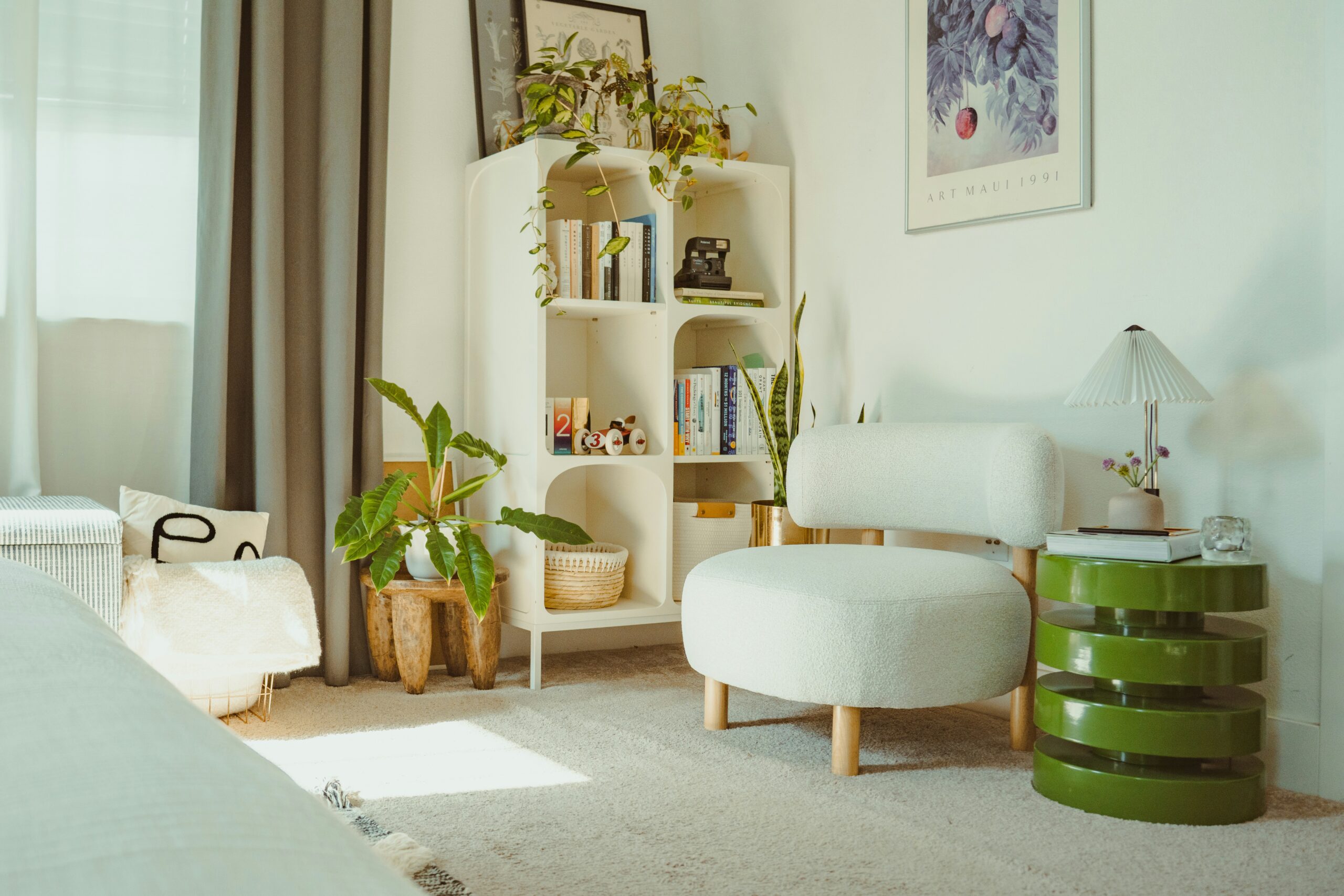
Look for under-utilized architectural pockets within your current floor plan that can be structurally reclaimed. An awkward three-foot alcove, a wide landing at the top of a staircase, or a deep, low window recess are ideal locations. To establish the boundary in an open-plan room, utilize a physical zoning element that blocks your peripheral line of sight to technology. Position a heavy, double-sided floor-to-ceiling bookshelf perpendicular to the wall, or hang a thick, acoustic linen curtain from a recessed ceiling track. When you physically cross this threshold or pull the fabric shut, you are signaling to your subconscious that you have exited the digital grid and entered a secure zone of offline isolation.

🪑 2. Ergonomics of Intimacy: Choosing Low-Profile, Tactile Seating

In a large living pavilion, seating is designed for social interaction and multi-media viewing—often resulting in giant, structured sofas placed at a clinical distance from one another. A reading nook demands the exact opposite: an architecture of deep, low-profile intimacy that cradles the physical body.

Because you are working within a restricted footprint, completely bypass oversized, bulky armchairs with massive rolled arms. Instead, opt for low-slung, high-backed lounge chairs that sit close to the floor, or construct a custom built-in upholstered bench that maximizes every single millimeter of your chosen alcove. The materials you select must offer immense tactile luxury. Wrap your cushions in heavy, un-dyed Belgian linen, deeply textured bouclé, or buttery, vegetable-tanned aniline leather. When your skin makes contact with these raw, natural materials instead of the cold synthetic plastics of laptops and smartphones, your nervous system instantly drops into a grounded, restorative state.

🕯️ 3. The Sensory Shield: Eradicating Blue Light and Digital Infrastructure

The primary rule of a screen-free reading nook is total infrastructure banishment. If a space contains a single USB wall outlet or a visible power strip, the temptation to plug in a device will inevitably erode the sanctuary’s purpose over time.

Begin the building process by physically auditing the micro-zone. Cover existing wall outlets with paintable flush-mounted safety caps that match your baseboards, making them visually disappear. Under no circumstances should charging cords or docking stations be permitted within this border.

Next, banish the harsh overhead lighting grid. Replace it with a single, highly focused low-profile light source engineered specifically for analog reading. Mount a solid brass, articulating swing-arm wall sconce directly above your shoulder, fitted with a warm, dimmable LED bulb (no higher than 2400K to 2700K). This creates a tight, cinematic pool of amber illumination that blankets your book while leaving the rest of the room in soft, rolling shadow. This distinct contrast focuses your vision completely on the physical page, shielding your eyes from the sleep-disrupting blue light of the digital world.

🪵 4. Material Grounding: Incorporating Living Textures

When a space is stripped of digital entertainment, the surrounding surfaces must provide visual and tactile interest. A sterile drywall corner will feel like a corporate isolation booth; an intentional, slow-living sanctuary relies on the organic poetry of raw materials to feel alive.

Clad the back wall of your reading nook in rich, wire-brushed European oak tongue-and-groove vertical paneling, or apply a hand-troweled, breathable Roman clay plaster finish with a subtle mineral variation. Introduce a small, solid timber side table—perhaps a raw-edged block of sandblasted American walnut or a hand-turned pedestal of solid travertine stone—just large enough to hold a single ceramic mug and an open book. Underfoot, layer a thick, hand-knotted rug woven from raw, un-dyed Icelandic wool. These irregular, living textures anchor the small space, providing a rich sensory landscape that keeps your mind engaged in the present physical moment.

📚 5. The Ritual Objects: Curation Over Storage

A tiny sanctuary should never become a chaotic storage dump for unread magazines, old mail, or random household clutter. Visual disorganization creates mental noise, which directly undermines the restorative goals of your screen-free zone.

Keep your reading infrastructure highly curated and deeply personal. Install a single, thick solid wood ledge or a pair of minimalist recessed niches lined in natural stone to display an edited collection of your current texts. Accompany your books with a few highly intentional ritual objects: a solid brass book weight to hold down heavy paper pages, a hand-thrown ceramic tumbler, and a single concrete incense burner or a beeswax candle. By keeping the space pristine and elevated, entering your nook transitions from a casual, thoughtless action into a beautifully anticipated, daily analog ritual.

💡 The Spatial Boundary: My Final Styling Note

The success of your screen-free reading nook does not depend on the square footage you possess; it depends entirely on the integrity of your boundaries. In a world that constantly demands our attention through screens, building a physical space that refuses to participate in that noise is a profound act of self-care. When you sit down in your low chair, pull the linen curtain closed, and turn on that single warm brass lamp, the entire digital world evaporates. You are left with nothing but the weight of paper in your hands, the texture of wood at your side, and the quiet, magnificent expansiveness of your own uninterrupted mind.

IdeaHaul
IdeaHaul
Articles: 36

Leave a Reply

Your email address will not be published. Required fields are marked *