
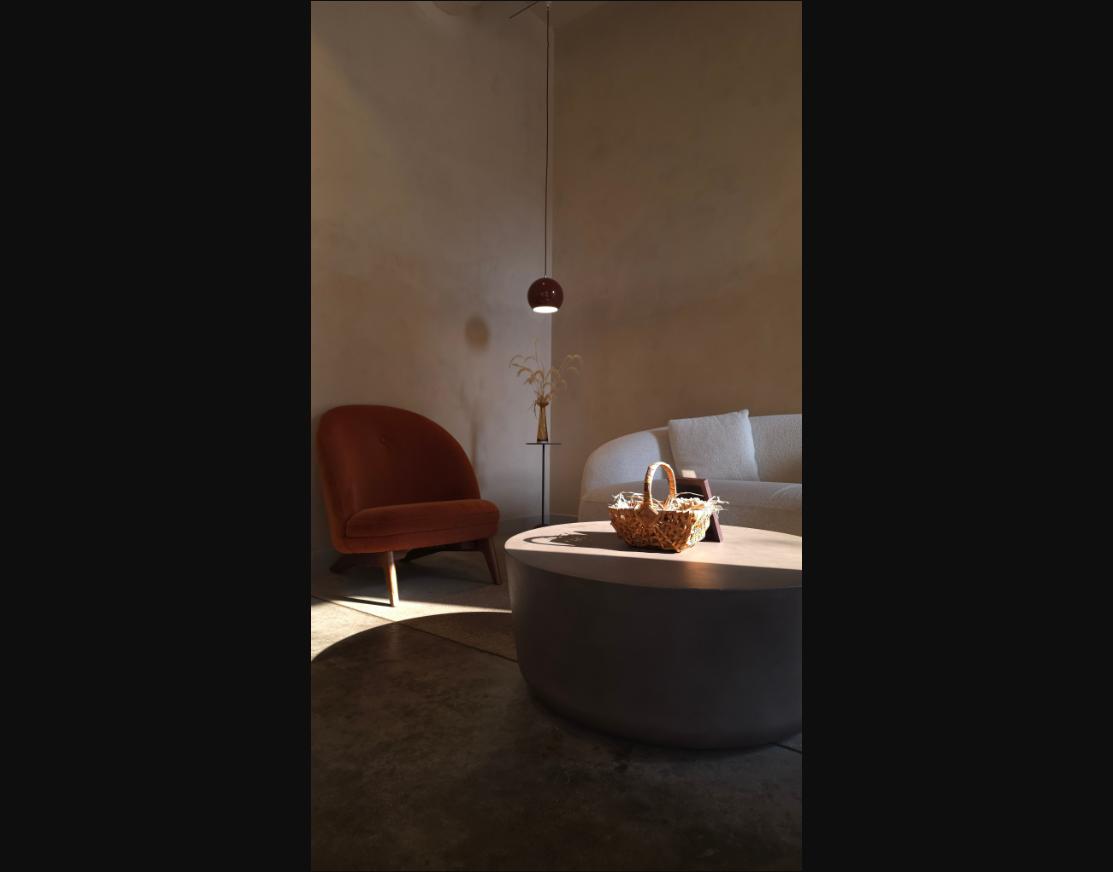
Warm Minimalist Living Room: How to Style a Cozy Earth Sanctuary

For years, mainstream minimalism felt more like a visual punishment than a design luxury. Interiors were dominated by stark white walls, razor-sharp geometric furniture, polished cold concrete floors, and a complete absence of personal warmth. Walking into these spaces felt akin to entering a contemporary art gallery or a high-end medical clinic—visually clean, but emotionally detached. While this style successfully eliminated physical clutter, it completely starved our psychological need for comfort, shelter, and tactile warmth. The home became an exercise in restriction rather than a soft place to land.

To rescue the modern home from this clinical frost, the international design community has established an evocative new paradigm: the warm minimalist living room, anchored by the “Cozy Earth” philosophy.

If you look to casual home decor blogs for guidance, their interpretation of adding “cozy” elements to a room is often incredibly messy and cluttered. They will tell you to toss a dozen colorful polyester throw pillows onto your couch, drape a synthetic faux-fur blanket over a chair, and line your shelves with hundreds of tiny scented candles and mass-produced plastic plants. This reactive approach completely obliterates the spaciousness that makes minimalism so beautiful in the first place. It replaces spatial clarity with cheap, superficial visual noise.

An authentic Cozy Earth environment achieves warmth without sacrificing simplicity. It relies on a hyper-curated palette of mud, sand, and stone, low-profile custom silhouettes, hyper-textured organic textiles, and raw, unrefined materials that tell a story of geological time. Here is your definitive design manual to cultivating this sophisticated, earth-grounded sanctuary.

warm-minimalist-living-room-ideas

🎨 1. The Earthbound Palette: Moving Beyond Stark White

The foundation of a true Cozy Earth sanctuary begins with an absolute ban on pure, blue-undertone gallery white paint. Stark white bouncing off bare walls instantly triggers a psychological sense of alertness and coldness.

To style an authentic warm minimalist living room, wrap the space in a continuous, enveloping envelope of complex, nature-derived neutrals. Look to the shifting shades of the earth: creamy travertine, crushed limestone, sun-baked clay, warm oat, and deep, grounding umber. Instead of flat, standard latex paint, specify a breathable mineral lime wash or a subtle micro-cement wall finish. These artisanal techniques introduce an incredibly soft, suede-like texture to the walls, catching the natural sunlight and creating delicate, organic gradients of light and shadow throughout the day. By keeping the color spectrum tightly monochromatic but deeply tonal, the room feels instantly vast, expansive, and incredibly serene.

🛋️ 2. Low-Profile Architecture: Monolithic, Grounded Seating

In a minimalist space, the scale and height of your furniture dictate the entire energy of the room. High-backed, leggy, traditional sofas break up visual sightlines and introduce formal, rigid posture into a space meant for absolute relaxation.

To anchor a Cozy Earth living room, look downward. Choose a custom, low-profile modular sofa that sits entirely flush with the ground or rests on a completely hidden recessed plinth. The silhouette must be monolithic yet organic—featuring soft, rounded corners and deep, expansive seating zones. Upholster the entire piece in a heavy-weight, highly tactile textile such as an un-dyed Belgian linen, a chunky wool bouclé, or a raw, slubby cotton canvas. Keeping the seating low to the earth opens up the vertical volume of the room, maximizing the flow of air and light while inviting the human body into a natural, grounded state of rest.

🪵 3. Geological Materiality: Raw Timber and Unhoned Stone

When you strip away the superficial decoration of a room, the raw surfaces themselves must do the heavy lifting of providing visual interest. Plastic laminates, glossy chrome, and perfect, manufactured glass surfaces offer no sensory feedback, leaving a room feeling flat and uninspired.

Introduce materials that carry an innate, raw imperfections forged by nature. Swap out a standard polished coffee table for a massive, irregular slab of solid European white oak featuring a brushed, wire-textured grain, or a heavy, low-slung block of unhoned, matte silver travertine. Embrace the natural fissures, knots, and organic variations inherent in these materials. Pair these heavy elements with a statement lounge chair crafted from hand-woven rattan or patinated, vegetable-tanned saddle leather. These raw, geological materials act as tactile anchors, connecting the interior directly to the soothing patterns of the outdoor landscape.

đź§µ 4. Textural Layering: The Art of the Monochromatic Contrast

A warm minimalist space does not use color to create contrast; it relies entirely on a sophisticated hierarchy of touch. Without an abundance of patterns and bright hues, the eye becomes incredibly sensitive to the weight, weave, and grain of fabrics.

To create a cozy haven without creating clutter, apply a strict rule of textural contrast within your neutral palette. If your sofa is upholstered in a smooth, flat linen, layer it with a single, oversized throw pillow crafted from a heavily textured, hand-spun yak wool, and drape a heavy, loose-weave waffle cotton throw across the arm. Beneath the entire layout, place a massive, thick-pile rug hand-woven from un-dyed New Zealand wool, showcasing natural, slight variations in the yarn. When you step onto the rug or brush against the fabrics, the dramatic shift from smooth to coarse, and light to heavy, provides a rich sensory experience that feels deeply luxurious and comforting.

🕯️ 5. Celestial Lighting: Diffused Luminescence and Shadows

The most exquisite furniture layout will fail completely if it is illuminated by harsh, aggressive overhead downlights. Flooding a minimalist living room with bright, clinical ceiling spotlights flattens the textures, hardens the organic shapes, and completely kills any sense of evening intimacy.

Treat light as a fluid, atmospheric sculpture. Banish overhead ceiling fixtures entirely past dusk. Instead, introduce a highly curated collection of architectural lamps placed at varying low heights throughout the room. Position a tall, minimalist floor lamp with a textured paper shade—such as a classic Isamu Noguchi Akari lantern—next to the sofa to cast a soft, ethereal, sun-like glow. On a side console, place a low, heavy travertine or unglazed ceramic table lamp that washes light exclusively downward. By keeping the light sources low and heavily diffused, you create a beautiful landscape of soft shadows and warm, amber pools of illumination that mirror the cozy, protective atmosphere of a campfire at twilight.

đź’ˇ The Soul of Warmth: My Final Styling Note

The true essence of styling a Cozy Earth warm minimalist living room is found in the deliberate pursuit of architectural editing. It is a philosophy that honors the quiet beauty of empty space while celebrating the rich, grounding textures of our planet. When you strip away the frantic noise of unnecessary consumer trends and focus instead on warm mineral walls, low-slung organic seating, raw geological stones, and soft, diffused light, you create something far greater than a beautiful room. You build a physical sanctuary that acts as an anchor for your well-being. As the afternoon sun rakes across the textured plaster walls and illuminates a raw timber table, you don’t feel a sense of sterile emptiness—you feel completely enveloped in an enduring, quiet luxury of absolute peace, comfort, and home.

IdeaHaul
IdeaHaul
Articles: 40

Leave a Reply

Your email address will not be published. Required fields are marked *