
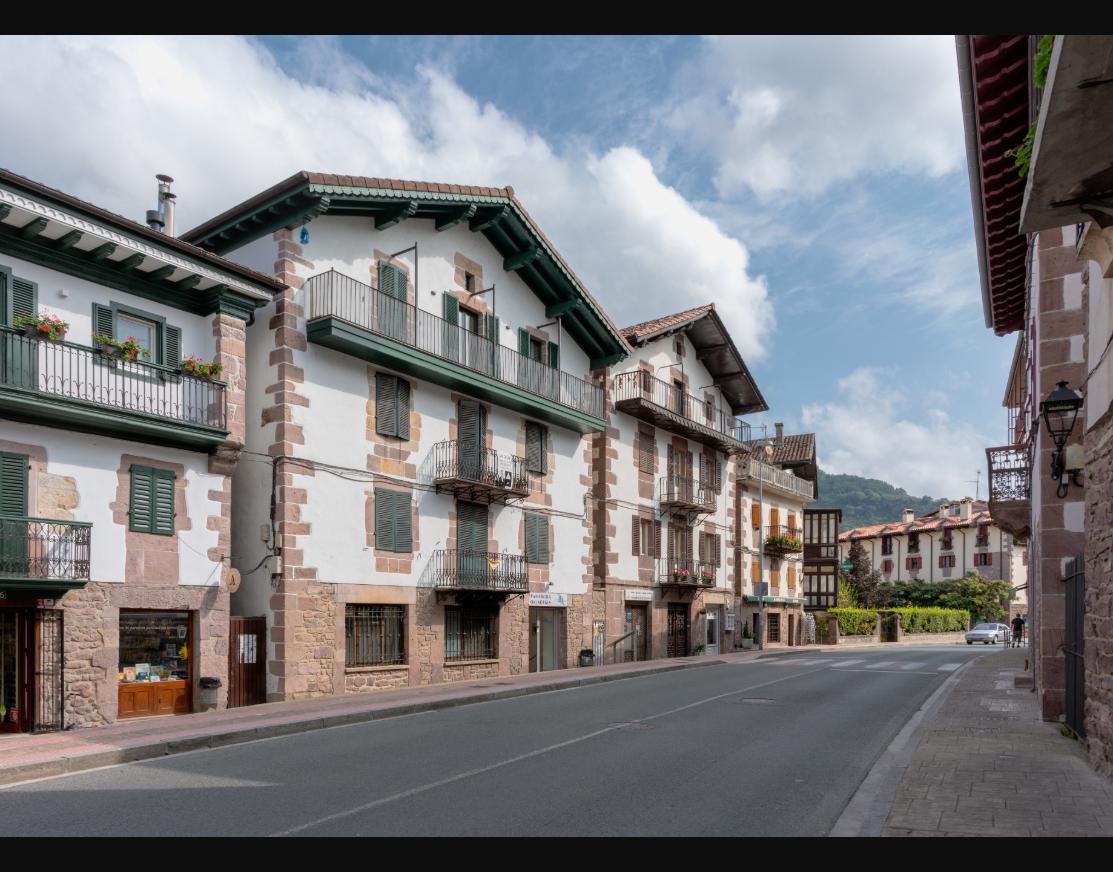
Slow Travel Lifestyle: Why 2026 is the Year to Unpack and Stay Awhile

For the past decade, mainstream tourism has been dictated by a relentless, algorithmic urgency. Driven by social media geotags and hyper-optimized travel apps, global wandering morphed into a high-speed logistical race. Travelers packed their bags for “three countries in seven days,” spending more time navigating airport security lines, train transfers, and rideshare pickups than actually standing still in a destination. We treated foreign cities like physical checklists, collecting landmarks the way corporate professionals collect data points. The result was an international epidemic of vacation burnout—a realization that we were returning home more exhausted than when we left.

In 2026, the collective consciousness has finally broken the speed limit. We are witnessing a massive, permanent cultural pivot toward the slow travel lifestyle.

If you skim typical tourism blogs, “slow travel” is often mischaracterized as simply taking a train instead of a flight, or booking a longer hotel stay. This superficial definition misses the entire psychological landscape of the movement.

An authentic slow travel lifestyle is a radical act of spatial and mental reclamation. It demands that we stop consuming places and start inhabiting them. By trading the fragmented anxiety of the multi-city sprint for the deep, grounding rhythm of a single neighborhood, we allow ourselves to step off the global treadmill. We unpack our bags once, let our nervous systems settle, and allow a destination to reveal its true, uncurated poetry over weeks instead of hours. Here is your philosophical blueprint to mastering the art of slow travel this year.

🏡 1. The Single Anchor Home: Choosing Sanctuary Over Transit

The logistical architecture of your trip dictates the pace of your mind. When your itinerary requires packing your suitcase every forty-eight hours to catch the next morning connection, your body remains in a permanent state of hyper-vigilance. You never truly arrive because you are constantly calculating your departure.

To anchor a genuine slow travel experience, establish a single, fixed residential sanctuary for a minimum of two to four weeks. Instead of a sterile, high-turnover boutique hotel in a hyper-commercial tourist district, seek out an authentic, character-rich home in a residential neighborhood. Look for spaces that celebrate local material integrity: a sun-bleached stone cottage in the Mani Peninsula of Greece, a converted timber barn in the Japanese countryside of Kyoto, or an apartment with lime-washed plaster walls in Lisbon’s quiet Graça quarter. Having a real kitchen to cook local ingredients and a private terrace to watch the morning light completely alters your relationship with the geography. You are no longer a transient spectator; you become a temporary resident.

đź›’ 2. The Micro-Local Ritual: Constructing a Daily Geography

When you only have forty-eight hours in a city, you are forced to prioritize the monumental—the crowded museums, the famous cathedrals, and the high-traffic plazas. While beautiful, these spaces represent a city’s public performance, not its private reality.

The magic of the slow travel lifestyle lives entirely within the quiet construction of a daily micro-ritual. When you stay in one place long enough, your first week is dedicated to establishing a hyper-local routine. Find the small, family-run corner café down your street and visit it at the exact same time every single morning. Sit at the same table, observe the local regulars, and order your morning macchiato or pastry. By day four, the barista recognizes your face; by day eight, you are exchanging warm neighborhood pleasantries. This micro-geography expands to the local sourdough bakery, the corner greengrocer, and the neighborhood park bench. These small, repeating touchpoints anchor you into the authentic social fabric of the community, offering a raw glimpse into the slow, beautiful reality of everyday local life.

🗺️ 3. The De-Optimized Itinerary: Embracing the Luxury of Boredom

Modern travel apps have successfully optimized the serendipity out of our journeys. We pre-book every dinner reservation three months in advance based on algorithmic review scores, follow optimized walking paths on digital maps, and schedule our days down to fifteen-minute blocks. This clinical predictability leaves absolutely no room for the unexpected.

To practice true slow travel, you must deliberately de-optimize your days. Commit to setting aside at least three days a week with absolutely zero plans, reservations, or digital navigation. Step out of your front door, pick a direction based on pure intuition, and simply walk. Allow yourself to get genuinely lost. It is within these un-scripted hours that true travel magic occurs—stumbling upon a hidden, centuries-old courtyard workshop where an artisan is hand-turning ceramics, discovering an unmarked neighborhood bistro serving the most spectacular wild mushroom pasta you will ever taste, or sitting by a riverbank watching the afternoon shadows lengthen across ancient stone bridges. Boredom is not a waste of travel time; it is the fertile soil where genuine discovery takes root.

🌿 4. Sustainable Integration: Lowering Your Kinetic Footprint

High-speed, multi-city travel is a massive drain not only on human energy but also on the planet. The constant short-haul flights, private transfers, and heavy resource consumption of high-turnover tourism fracture local economies and overwhelm historic infrastructures.

Slow travel is fundamentally an ecological and ethical alignment. When you choose to stay awhile, your kinetic footprint drops dramatically. Your primary modes of transportation shift from fossil-fuel-heavy transits to walking, cycling, or utilizing the local tram and train networks. You shop at the neighborhood farmers’ market, directly supporting local growers and seasonal agriculture. You frequent independent, multigenerational shops rather than globalized tourist traps. This conscious deceleration turns travel from an extractive act of consumption into a supportive, symbiotic relationship with the host community. You leave the destination better than you found it, simply by taking up space with respect, patience, and humility.

✍️ 5. The Practice of Deep Reflection: Chronicling the Slow Flow

When you rush through a destination, your memory of the journey becomes a blur of fragmented digital photos stored on a cloud drive—thousands of images you will rarely look at again. The sheer volume of sensory input overloads the brain, preventing deep cognitive processing and emotional integration.

A slow travel lifestyle requires an intentional practice of daily internal reflection. Set aside an hour every late afternoon—as the golden hour light filters through your apartment windows—to put away your digital devices and open a physical, heavy-paper journal. Write down the textures, the scents, the snippets of overheard conversation, and the emotional shifts of your day. Describe the chalky feel of the coastal limestone, the bitter note of the local amaro, or the rhythmic sound of the tide against the harbor wall. This tactile act of chronicling transitions your experiences from fleeting external sights into permanent internal architecture, ensuring that the lessons of the journey permanently reshape how you live your life long after you return home.

đź’ˇ The Return to Presence: My Final Styling Note

The ultimate luxury of our time is not material abundance; it is un-fragmented attention. The slow travel lifestyle is a beautiful reminder that the world cannot be truly seen if we are constantly rushing through it. When you finally give yourself permission to unpack your bags, stay awhile, and let a single place become your entire world for a season, your perspective undergoes a profound shift. You stop looking at the clock and start looking at the sky. You learn to listen to the natural cadence of a city, and in doing so, you rediscover the slow, restorative rhythm of your own soul.

IdeaHaul
IdeaHaul
Articles: 36

Leave a Reply

Your email address will not be published. Required fields are marked *