
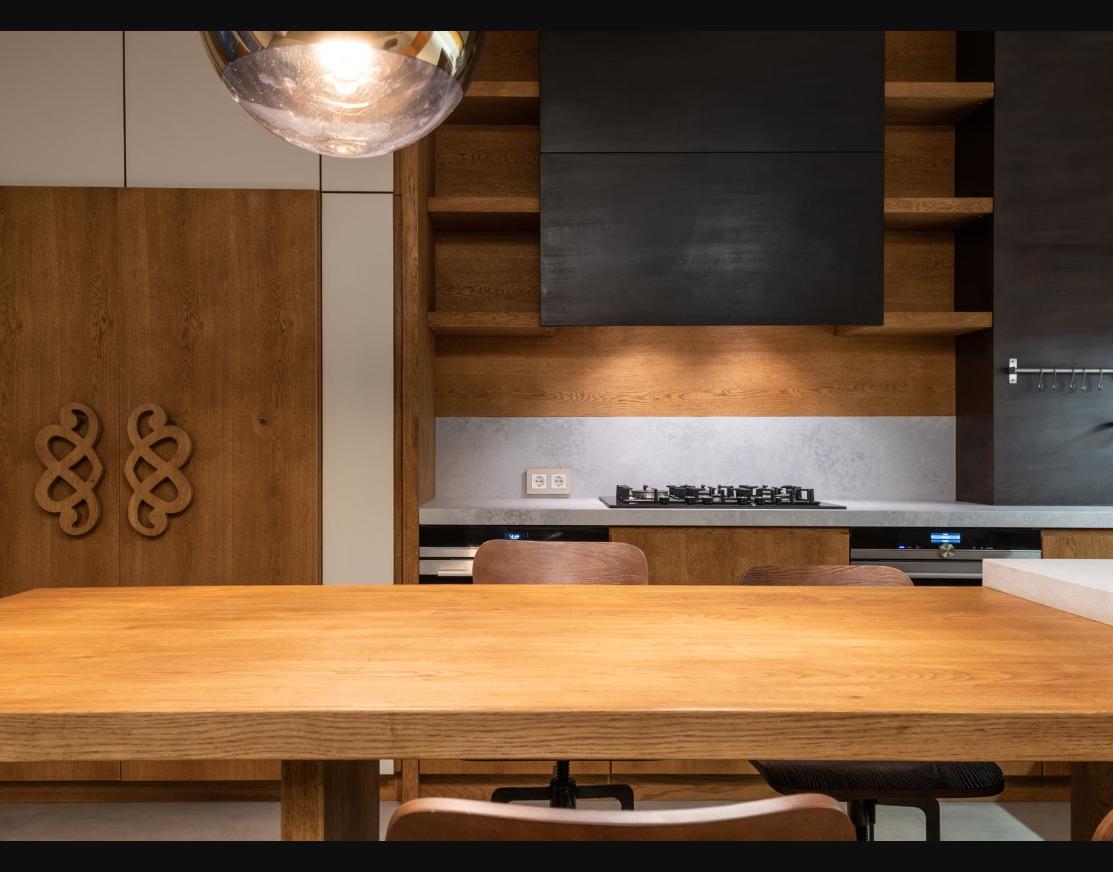
Warm Kitchen Tones: Why Designers Are Ditching White Oak for the “Cashmere Kitchen”

For nearly a decade, luxury residential design operated under a strict, almost clinical orthodoxy. If you stepped into a high-end architectural renovation anywhere from Malibu to Manhattan, the brief was identical: flat-sawn pale white oak cabinetry, bright white engineered quartz countertops, and bleached timber floors. It was the undisputed uniform of modern minimalism. While this hyper-bright, Scandinavian-inspired aesthetic successfully rescued us from the heavy, over-ornate cherry wood kitchens of the early 2000s, it eventually ran into its own architectural dead end. The world became oversaturated with pale wood. What was once clean and fresh began to feel sterile, cold, and starkly commercial—less like a soul-stirring domestic sanctuary and more like a high-end medical clinic or a tech startup office.

In 2026, the design pendulum has officially swung back toward comfort, emotional resonance, and structural depth. The design elite are decisively turning away from pale timber in favor of the “Cashmere Kitchen”—a premium movement defined entirely by rich, warm kitchen tones.

When mainstream home decor websites attempt to cover this shift, they misinterpret the trend as a simple return to dark, heavy traditionalism. They will tell you to paint your island a dark espresso brown or buy dark wood barstools. This reactionary approach misses the entire nuance of the movement.

The Cashmere Kitchen is not about returning to the oppressive, gloomy kitchens of the past; it is an evolution toward a softer, mid-toned complexity. It relies on a highly calibrated palette of buttery taupes, oiled American walnuts, warm almond lacquers, and deeply saturated natural stones that absorb and reflect light with a velvety, textile-like softness. Here is your definitive architectural guide to mastering this major transition in kitchen design.

🪵 1. The Anatomy of Cashmere: Beyond Bleached Timber

The fundamental flaw of the pale white oak trend was its flat, uniform coldness under modern LED lighting. White oak, when bleached or finished in a standard matte clear coat, reflects a distinct cool gray or pale yellow undertone that strips a room of its inherent cozi-ness.

To transition your space into a Cashmere Kitchen, your primary timber species must shift toward woods that possess innate, deep-seated warmth. American walnut, wire-brushed rift-sawn chestnut, and caramelized European ash are the new standard-bearers of luxury cabinetry. Instead of hiding the natural variance of the wood under heavy stains, these timbers are treated with clear, organic penetrating oils that pull the rich, honeyed amber and deep chocolate lowlights to the surface. The result is a cabinet run that does not look like a sterile laminate sheet, but rather possesses the visual weight, character, and comforting depth of an heirloom piece of furniture.

🎨 2. Velvet Lacquers: The Shift to Almond, Taupe, and Soft Bisque

An authentic warm-toned kitchen cannot rely on wood grain alone. Wrapping an entire room from floor to ceiling in rich walnut can easily cross the line into feeling like a dark, mid-century cabin. The secret to the Cashmere Kitchen lies in the strategic, high-contrast pairing of oiled timbers with velvet-matte lacquers in sophisticated, non-white neutrals.

Banish stark, brilliant whites entirely from your color book. In their place, introduce full-height utility walls finished in soft bisque, warm almond, muddy linen, and rich, enveloping taupe. These colors are formulated with complex red and yellow base undertones that completely shift character depending on the time of day. Under morning light, they feel bright, airy, and soft; as the sun sets, they transform into deeply comforting, moody shades that wrap the room in an atmospheric embrace. Ensure the paint finish is specified as a “dead-flat matte” or a soft “velvet-eggshell” to eliminate harsh plastic reflections, keeping the surfaces looking as soft as the fabric the trend is named after.

🗿 3. Geological Warmth: Trading Cool Marble for Amber Veining

The countertop selections of the white oak era were overwhelmingly icy—characterized by bright white bases with sharp, blue-gray veining like classic Carrara marble or polished, flawless white engineered composites. In a kitchen utilizing warmer tones, these surfaces create a harsh, jarring visual fracture.

The Cashmere Kitchen demands countertops and backsplashes that emerge from the warmer spectrum of the earth. Designers are heavily favoring slabs of honed Calacatta Paonazzo, Breccia Capraia, or rich Taj Mahal quartzite—stones defined by their creamy, milky-ivory backgrounds and dramatic, sweeping veins of amber, warm gold, and deep charcoal. Instead of cutting sharply across the room, these natural stones act as an organic bridge, seamlessly pulling together the rich walnut lower cabinetry and the soft taupe perimeter walls into a single, cohesive, luxury tapestry.

🕯️ 4. Low-Profile Illumination: Embracing the Golden Hour Glow

The coldness of a pale white oak kitchen is amplified by harsh, high-temperature task lighting. When a space is flooded with 4000K white ceiling spotlights, the natural wood grains are completely washed out, and the room feels stark and clinical.

With warm kitchen tones, the approach to lighting must be treated with the cinematic delicacy of a luxury hotel lobby. Lower your light temperature strictly to 2400K or 2700K to perfectly complement the amber undertones of the wood and stone. Completely eliminate symmetrical grids of open ceiling downlights. Instead, run continuous, dimmable LED ribbons hidden deep inside recessed cabinet valances and underneath floating stone shelves to wash the backsplashes in a rich, indirect golden glow. Position architectural plaster wall sconces that cast light both upward and downward, creating soft, romantic shadows that accentuate the tactile grain of your cabinetry.

🎄 5. Living Metals: The Rejection of Polished Chrome

The hardware and plumbing fixtures are the final punctuation marks of a kitchen design, and they have the power to either anchor or ruin the entire aesthetic. Polished chrome and stark, painted matte black hardware are far too harsh and industrial for the soft, tailored elegance of a cashmere-toned space.

Specify your cabinet pulls, faucets, and appliance trims in living, unlacquered metals that are engineered to evolve. Solid unlacquered brass, burnished bronze, and tumbled, patinated copper are the ideal choices. These metals do not possess a synthetic, shiny finish; instead, they have a muted, brushed warmth from day one. Over time, as your hands make contact with the handles during cooking, the metal will naturally oxidize, developing a rich, irregular, dark patina in some areas while remaining bright and golden in others. This beautiful, slow-living evolution honors the natural passage of time, lending the space an unmistakable air of quiet luxury and structural authenticity.

💡 The Return to Comfort: My Final Styling Note

The ultimate victory of the Cashmere Kitchen is its profound sense of emotional hospitality. A kitchen should never feel like a space where you must tread lightly to avoid disrupting a pristine, sterile exhibition. By grounding the heart of your home in rich walnut, velvet taupes, and warm, living metals, you create an environment that actively welcomes human life. It is a space that handles the mess of cooking, the clinking of wine glasses, and the long, lingering conversations of late evening with absolute grace. Let the pale, icy trends melt away, and wrap your home in the enduring, soulful luxury of true visual warmth.

IdeaHaul
IdeaHaul
Articles: 36

Leave a Reply

Your email address will not be published. Required fields are marked *