
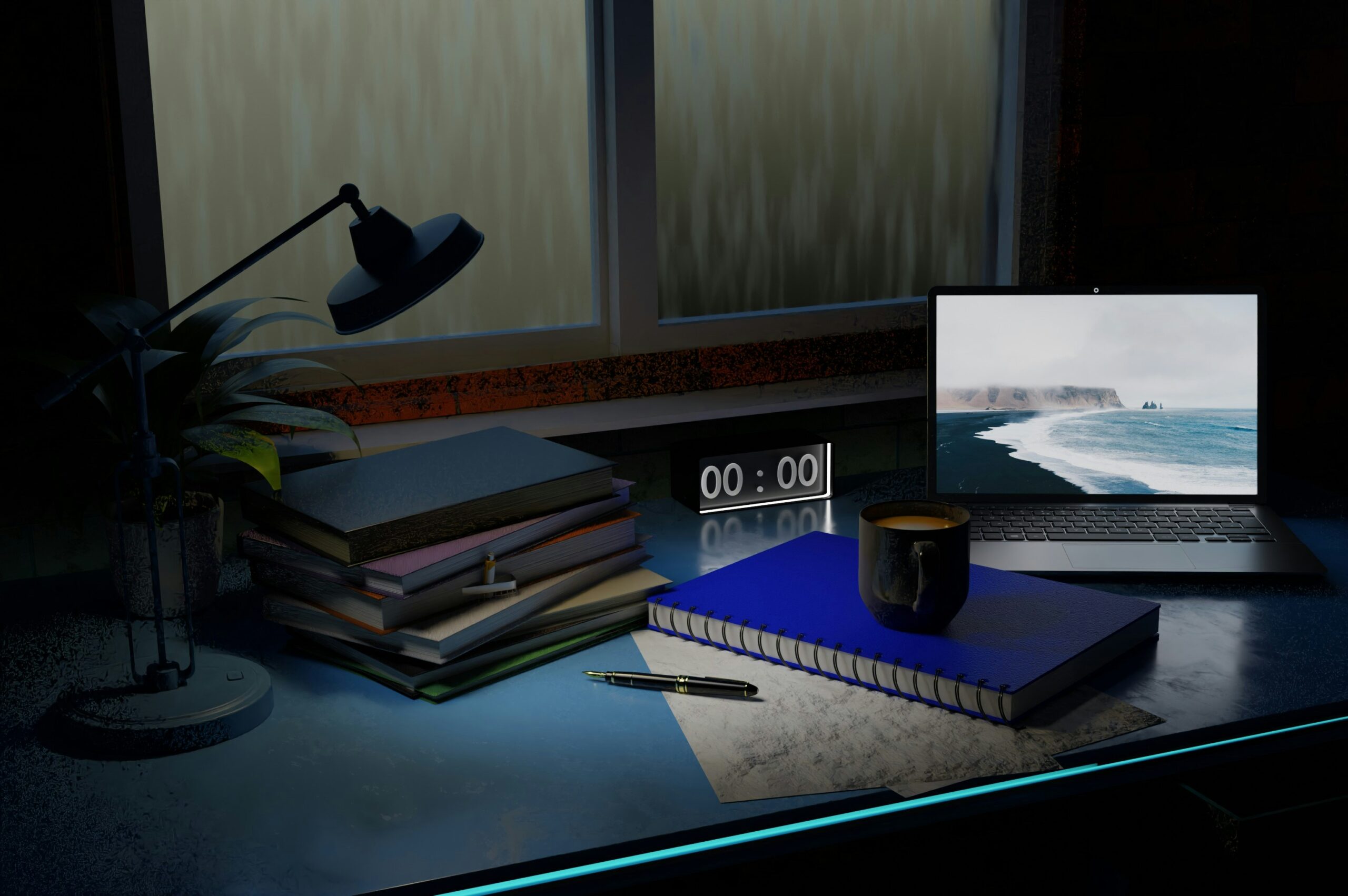
In our modern homes, architectural boundaries have completely collapsed. Open-concept layouts have successfully broken down the physical walls that once separated our lives, but they have also allowed digital noise to flood every single square inch of our living spaces. We answer work emails from the dining room table, scroll through social media feeds while lying in bed, and check news updates from the kitchen counter. Our homes are no longer sanctuaries; they are highly connected digital hubs where our brains remain in a perpetual state of cognitive readiness.
Over my years spent analyzing residential interior layouts and consulting on slow-living frameworks, I have realized that the solution isn’t to embark on an unrealistic, permanent digital detox. The solution is spatial.
To protect your mental health, you must establish a physical, non-negotiable boundary line within your floor plan. You need to design a digital escape zone—a highly curated, intentionally offline sub-zone that I call the “Analog Nook.” This is a dedicated pocket of space engineered for the absolute exclusion of screens, notifications, and charging cables. When you step across its perimeter, your brain receives an immediate environmental cue that it is safe to down-regulate, breathe, and engage with the tactile world. Here is my step-by-step designer blueprint to constructing a premium, offline refuge inside your home.
🏗️ 1. The Spatial Layout: Defining the Perimeter
When clients ask me where to build an analog nook, they often assume they need an entire spare room or a vast, empty floor plan. In reality, a digital escape zone thrives on a smaller, more intimate scale. A corner of your living room, an awkward architectural alcove beneath a staircase, or a deep window sill is the perfect real estate.
The secret to success lies in treating this zone with strict architectural independence. To separate it from the wider, screen-dominated room, use low-profile spatial framing:
- The Floor Anchor: Place a small, high-texture round or organic-shaped area rug—such as a thick-pile Moroccan wool or a woven jute mat—to explicitly map out the physical boundaries of the nook.
- The Sightline Shift: Position your seating away from the main room’s television or media center. Angle your chair directly toward a window, a fireplace, or an empty plaster wall to immediately remove digital distractions from your line of sight.
🪑 2. The Seating Anchor: Ergonomics of Recline
The furniture you choose dictates the pace of the space. In a standard office setup, your chair is upright, keeping your nervous system alert and productive. In an analog nook, the seating must actively invite surrender.
I always avoid cold, minimalist metal or leather chairs that feel clinical. Instead, anchor your digital escape zone with a low-slung, deeply upholstered accent chair wrapped in heavy textured bouclé, raw linen, or a performance waffle-knit fabric. Look for a design that features an angled back and a matching, separate footstool or ottoman. When your hips sink lower than your knees, your skeletal structure fully relaxes, lowering your heart rate and signaling to your subconscious mind that there is absolutely nowhere else you need to rush to.
💡 3. Low-Level Luminescence: Banish the Screen Glow
Lighting is the ultimate mood modulator in interior design. If your analog nook is bathed in the harsh, white glare of overhead recessed ceiling LEDs, your brain will struggle to transition out of its active, daytime focus mode.
To build a true offline sanctuary, implement a strict rule: all illumination inside the nook must live below eye level and emit a warm, golden wavelength. I deploy a combination of two specific light sources. First, place a sleek, minimalist floor lamp with a heavy, solid marble base and a warm-toned fabric shade that diffuses light downward, focusing a calm pool of light directly onto your lap. Second, introduce a solid stone or raw ceramic candle vessel on a nearby table. The soft, gentle flicker of a real flame provides a primitive, deeply comforting visual anchor that a glowing screen can never replicate.
📚 4. Tactile Furniture: Sourcing the Perfect Low-Profile Side Table
Every functional nook requires a surface to rest a hot drink or an open book, but a standard plastic or laminate side table introduces zero sensory value. In an analog space, every material you touch must feel grounding and authentic.
Introduce a small, sculptural end table crafted from raw, unpolished stone—like a solid block of travertine or rough slate—or a stump of sand-blasted solid oak featuring visible wood grains and growth rings. Keeping the surface incredibly minimal is key. It should be wide enough to hold only a handleless stoneware teacup, a brass book weight, and a small dish. Because there are no drawers or lower shelves, there is physically no place to hide a laptop or sneak a charging cable into the zone.
🎧 5. Analogue Audio Architecture: Sourcing Sound Without Screens
While the primary goal of a digital escape zone is to remove visual screens, a completely silent room can sometimes amplify internal mental chatter, making it difficult for high-achieving professionals to unwind.
To enrich the atmosphere, introduce an entirely analogue audio element. I highly recommend styling a compact, vintage-inspired wooden vinyl record player or a high-end, button-operated portable speaker wrapped in acoustic fabric on a low shelf nearby. The key parameter here is manual operation; the device must not feature a digital touchscreen display. The physical ritual of selecting a vinyl record, pulling it from its sleeve, and gently dropping the needle onto the groove forces you into a state of deliberate, slow movement, wrapping your space in a rich, warm, and comforting acoustic blanket.
💡 Spatial Governance: The Golden Rule of the Nook
Once your analog nook is physically constructed, its success depends entirely on a concept I call spatial governance. You must treat this zone as a sacred clean room. Establish a strict, non-negotiable household rule: no digital devices are permitted to cross the threshold of the rug. No smartphones, no smartwatches, no tablets, and no laptops. If you enter the nook, you bring only a physical paper book, a linen journal, a sketchpad, or your own thoughts. By holding this boundary with absolute discipline, the space itself becomes a powerful psychological anchor. The simple act of sitting in that specific chair will automatically cue your mind to instantly let go of the digital world and reclaim its peace.

